
One of the most significant changes in lighting design today has little to do with the fixtures themselves.
It is the way they operate.
Modern energy codes increasingly require lighting systems to respond automatically to occupancy, daylight levels, and programmed schedules. The goal is straightforward: reduce unnecessary energy consumption while improving overall building performance.
These are worthwhile objectives. But lighting does more than illuminate a room. It shapes how people experience a space.
Historically, lighting was one of the most personal aspects of the built environment. Occupants could adjust lighting to support comfort, activity, mood, and lifestyle. Today, technology is often helping make those decisions in the background.
When thoughtfully designed, these systems work seamlessly. Residents rarely notice the technology because it quietly supports their daily experience.
When poorly integrated, however, the technology becomes the experience. Lights switch off unexpectedly. Controls feel confusing. Spaces become less intuitive to use.
The challenge is not automation. The challenge is designing automation that feels effortless, intuitive, and human-centered.
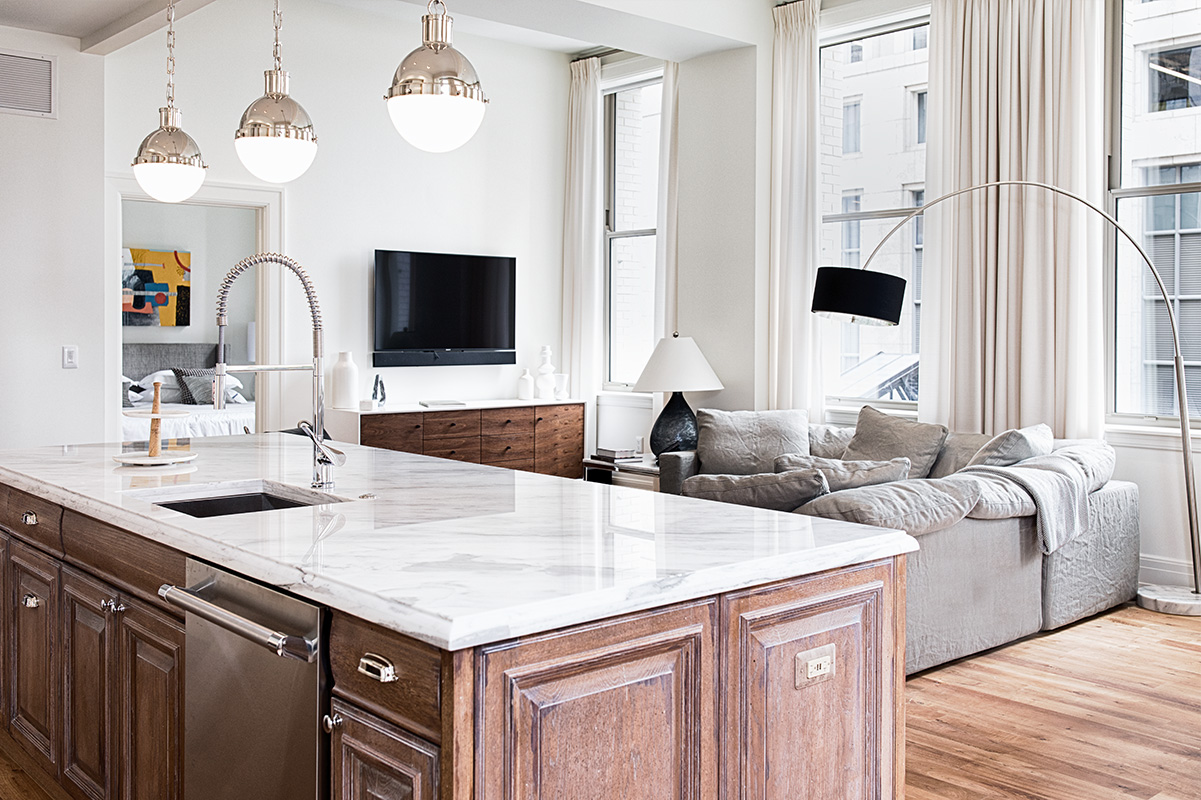
At KDG, we believe the best environments balance performance with experience. A great example is The Vinton, where we integrated Lutron lighting and roller shade controls throughout the luxury apartments. The system provides residents with convenient control over both natural and artificial light, creating a more comfortable and personalized living environment while supporting energy performance goals.
The technology works in the background. The resident experience remains at the forefront. Because great design is often invisible. And the best lighting and control systems are the ones people never have to think about.
