
A great design is only as successful as its execution.
That is why Construction Administration is about more than reviewing substitutions. It is about protecting the vision that attracted a client to the project in the first place.
Substitutions are a normal part of construction. Material availability changes, budgets evolve, and contractors often identify alternative products that can help address schedule or procurement challenges. The key question is not simply whether a substitute meets the specification. The question is whether it supports the design intent.
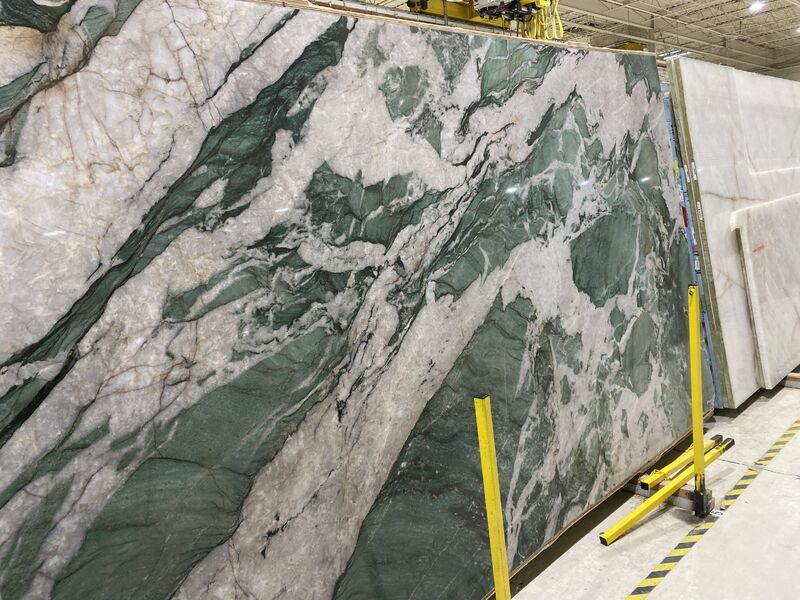
– A stone material may meet the required dimensions and performance criteria, yet its color variation, veining, texture, and finish can fundamentally change the character of a space. Natural stone slabs are typically sourced through local distributors, and the specific slabs and veining patterns are often individually reviewed and selected for each project to achieve the desired aesthetic.
– A window system may satisfy thermal requirements, but altered sightlines can impact how a façade is perceived.
– A decorative light fixture may deliver comparable illumination levels while changing the scale, atmosphere, and overall experience of a room. Individually, these decisions may seem minor.
Collectively, they can reshape the architecture. At KDG, we evaluate substitutions through a broader lens. We look beyond technical compliance to understand how each decision affects aesthetics, performance, durability, guest experience, and long-term value. This is particularly important on hospitality, multifamily, and historic projects where every material contributes to the overall story of the space.
The most successful projects are not necessarily the ones with the fewest substitutions. They are the ones where every change is evaluated thoughtfully and aligned with the original vision. Because quality is rarely lost through one major decision.
More often, it is the accumulation of small compromises. Construction Administration helps ensure those decisions strengthen the project rather than dilute it. That is how design intent survives the transition from drawing to reality.
