Historic Architecture & Adaptive Reuse
Historic buildings offer character, community value, and redevelopment opportunities, but they also present challenges that do not exist in new construction. Successful adaptive reuse projects require an understanding of existing conditions, preservation requirements, building codes, accessibility standards, and the operational needs of the future use.
Kraemer Design Group helps owners, developers, institutions, and communities evaluate historic properties, plan rehabilitation strategies, and design spaces that balance preservation goals with modern performance expectations.
Adaptive Reuse & Historic Architecture FAQs
-
Adaptive reuse is the conversion of an existing building to a new purpose while retaining and improving useful portions of the structure. It commonly requires the design team to reconcile a new program with existing construction, life safety, accessibility, building systems, and, when applicable, preservation requirements.
Why Owners Pursue Adaptive Reuse
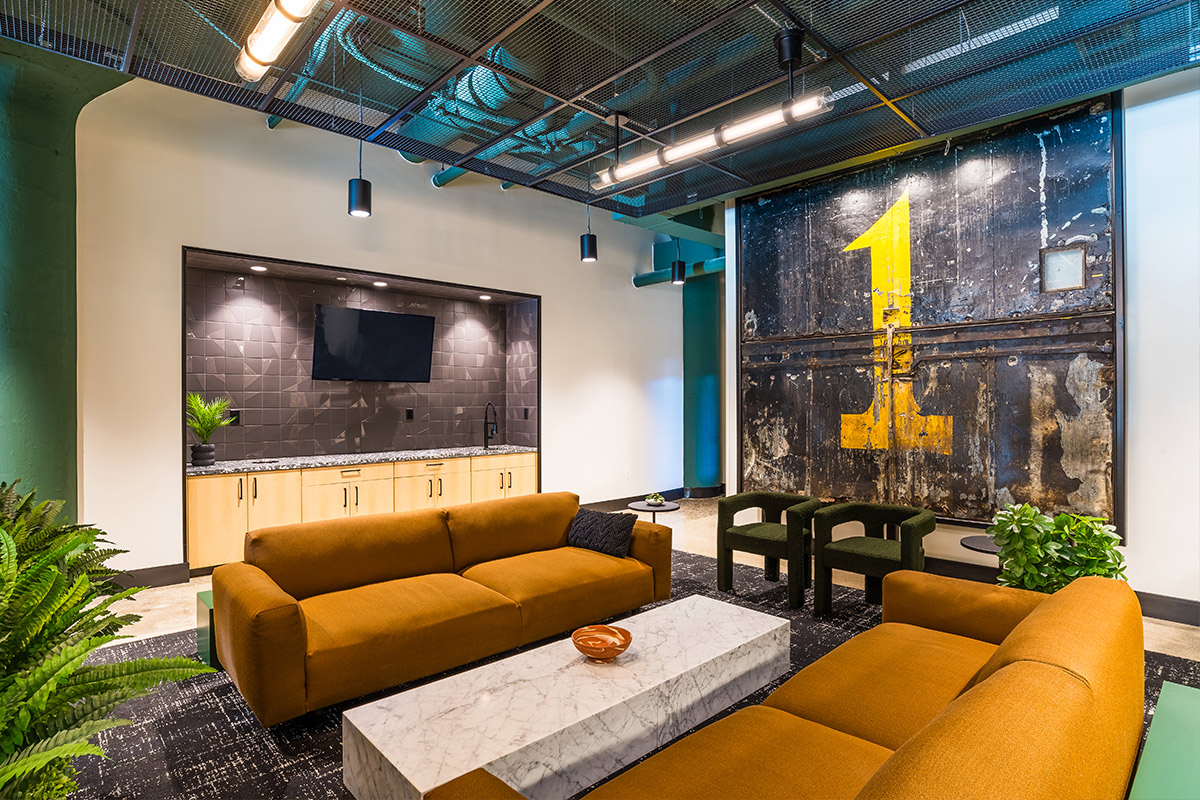
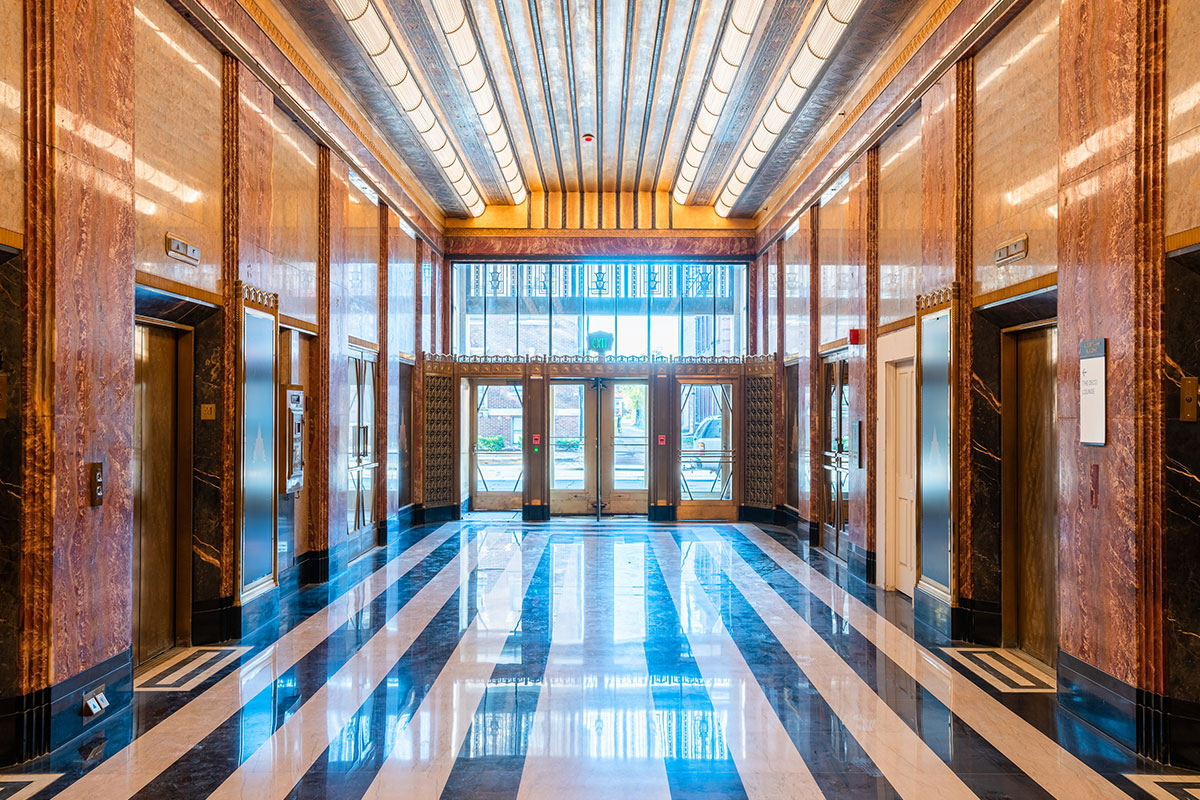
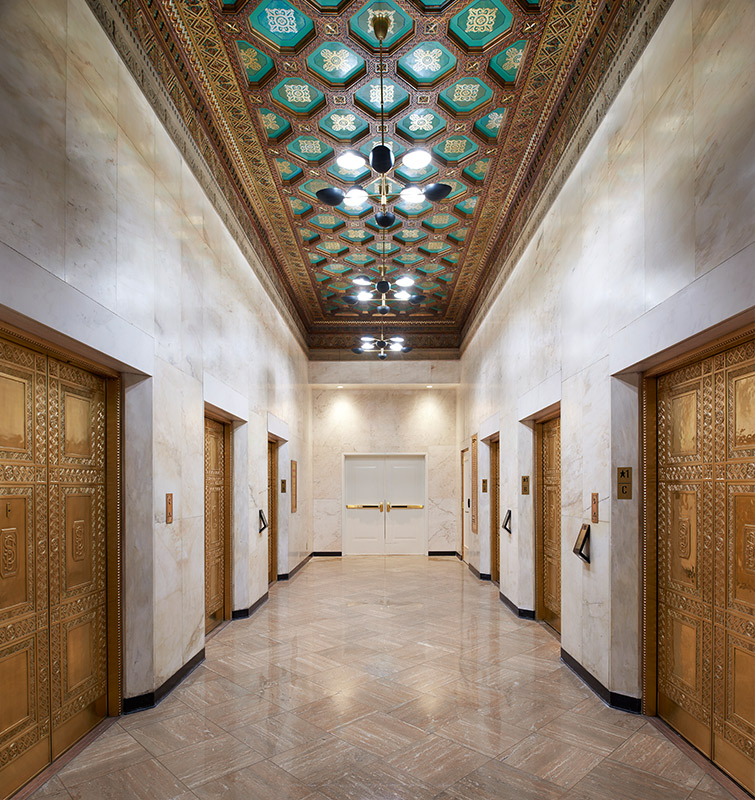
Repurposing an existing building can create opportunities that new construction cannot. Historic properties often contribute to a project’s identity, strengthen ties to the surrounding community, and may provide access to preservation incentives or redevelopment programs.
Adaptive reuse can also:
- Preserve architecturally significant buildings
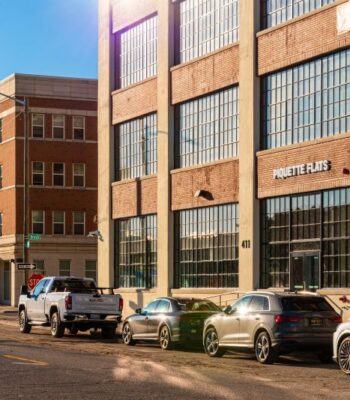
- Revitalize underutilized properties
- Support community redevelopment goals
- Reduce demolition and material waste
- Create distinctive residential, hospitality, office, and mixed-use environments
- Unlock historic tax credit opportunities when applicable
Every building presents a different set of opportunities and constraints, which is why early evaluation is critical before major investment decisions are made.